
Understanding Disorder
and reorganizing in the process

When contemplating how I would write weekly posts related to eating disorders or health while also posting something related to creative process, I realized I don’t have enough to say about health regularly. And I don’t want to be writing about old trauma consistently. Writing about the topic came to mind originally when rereading a short story I once wrote from the perspective of a male character whose very loose back story is having struggled with an eating disorder. And then it came to mind again when I met with a friend who asked to know more about my disorder history relative to today and it was hard to articulate.
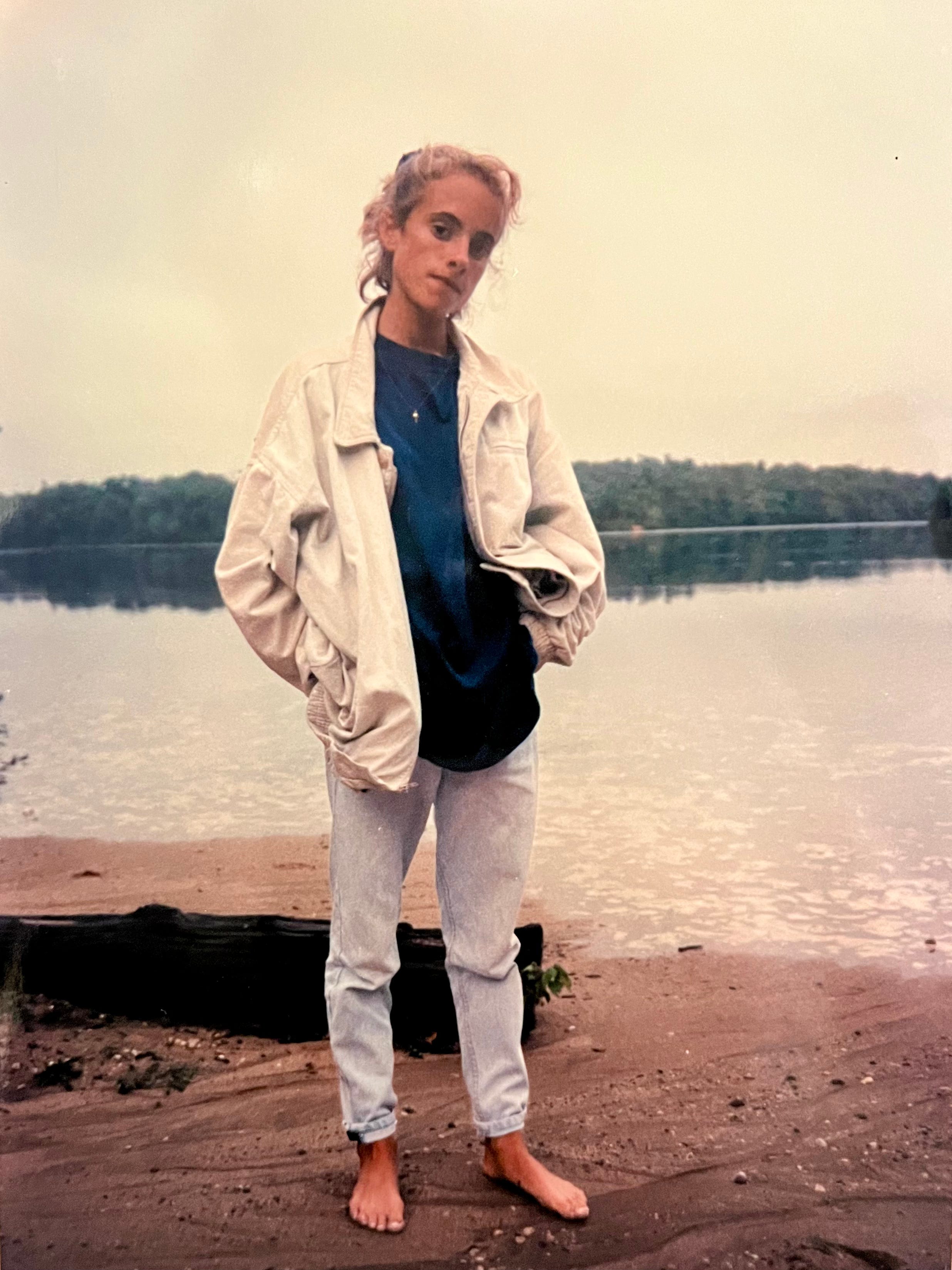
I thought there could be more of a connection to others if I wrote on the topic of health and women’s bodies but I think while I’m interested, it veers too far on a regular basis from the creative process, even though somewhat related to perfection. When I started to dive into a post that was supposed to be succinct and solely related to my experience with anorexia relative to emotional and physical intimacy, it became unwieldy and more intimate than I’m willing to share. So, I edited the original post and I’ve retooled my process some.
In my last post that quoted Katherine Morgan Schafler “In clinical speak: we currently frame eating disorders through the lens of individual psychopathology as opposed to cultural psychopathology (or some combination of both individual and cultural psychopathology). When you do that – when you conceptualize any mental illness exclusively through individual psychopathology and tell someone who is not well that they have a disorder – you’re saying that the culture is in order. You’re saying that the culture is healthy, safe, supportive, and functional. You’re saying that the development of, in this instance, eating disorders in women is born from their failure to be healthy in a healthy environment. They’re disordered. They’re sick. They need treatment.” In my case, disordered environments led to a diagnosis and I was severely depleted of nourishment that impacted the brain function. I’m okay calling it a disorder and a disease or illness. I needed treatment and I was ill in combination with my environment not being healthy.

Someone mentioned Christina Ricci recently and I recalled her being public about having recovered from an eating disorder. Christina had a simple quote that I related to. In this article she highlights that at the time she “had trouble processing my childhood and adjusting to being an adult.” For me, adjusting to being an adult was a combination of undesirable and uncontrollable physical and mental changes after the onset of puberty, unresolved and ongoing family issues surrounding addiction that resulted in emotional neglect, and me conflating physical intimacy with emotional intimacy and not having the proper guidance from an adult or therapist I needed. There’s likely more to it, but that was enough to make it difficult to navigate in an orderly way.
Bettering myself through healthy eating was something I had implemented long before I added long distance running. Running and listening to my walkman got me out of a house that often felt isolating and depressing. Music has been my friend and the best medicine as long as I can remember; a healthy stimulant for my brain but the intense repetitive movement of running in combination took things to another level. The transition into habits that involved undereating and overexercising is where it gets murkier for me. The part where my brain moved into malnourishment, even though I wanted to change my habits back to look normal and be well (but also couldn’t accurately see myself physically) is where I’m trying to understand more now that there’s more research available.
I recovered quickly in comparison to a lot of other cases, both physically through a nutritionist and through therapy in Twelve Step groups, but didn’t have a doctor or anyone explaining my brain at the time of diagnosis and the depth of the illness medically. I was a kid and primarily eager to move past it so I could be accepted as part of the norm and be more comfortable sharing myself socially again outside of group therapy. It’s long, but if you’re interested in the brain research on anorexia nervosa Stuck in a Rut: The Neurobiology Behind Anorexia Nervosa’s Stubborn Grip is useful and I’m now following more recent research by Dr. Steinglass. The Q&A at the end was surprisingly the most helpful to me as well as some of the comments within the YouTube post.
As I move into understanding more about anorexia and brain function, I’d love to fold my past experience into something long form that leans fictional so that it’s enjoyable to write and with a plot line not focused on disorder or disease, but still closer to home than the short story I wrote originally. I still want time for spontaneous writing like using trash scraps as playful prompts as originally intended. However, it turns out there’s not enough trash in my neighborhood unless its around the elementary school, which should be a good problem. I did get inspired by a discarded spoon in the street in combination with news of Soundgarden being inducted into the Rock & Roll Hall of Fame and wrote something that I think would be considered flash fiction.
I also celebrated my birthday with a friend who took me to see The Cortege a live outdoor show at the Los Angeles Equestrian Center with themes surrounding grief and renewal showcased with a parade, dance, live music and ritual. Being in a group of people for a positive connection with vulnerable performers is enlivening. At times during the performance my brain shifted to images of them rehearsing the different acts before it came together as a whole and picturing how it looked without the special effects and lighting to start, but I do that during any performance. That’s what I love about process - how things come together in bits.
I helped put together a dance party at a venue this past weekend and enjoyed that process. Being one of the first people in the space and on the dance floor, it takes patience and trust that momentum will build from music and bodies in motion collectively. The music does get louder, the people do migrate from the bar eventually with less inhibition and a connection builds on the dance floor. Dancing with strangers and friends has a specific vulnerability and level of intimacy that I’m very comfortable being part of and sharing in. I do like sitting, writing and working alone, but the real sparks are when the creative or healing process includes others. I’ll end with a bit of gold in the world and for me this week - one of my favorite bands Rush announced that they will tour again with a new drummer. Let’s celebrate with a big picture of the original members.
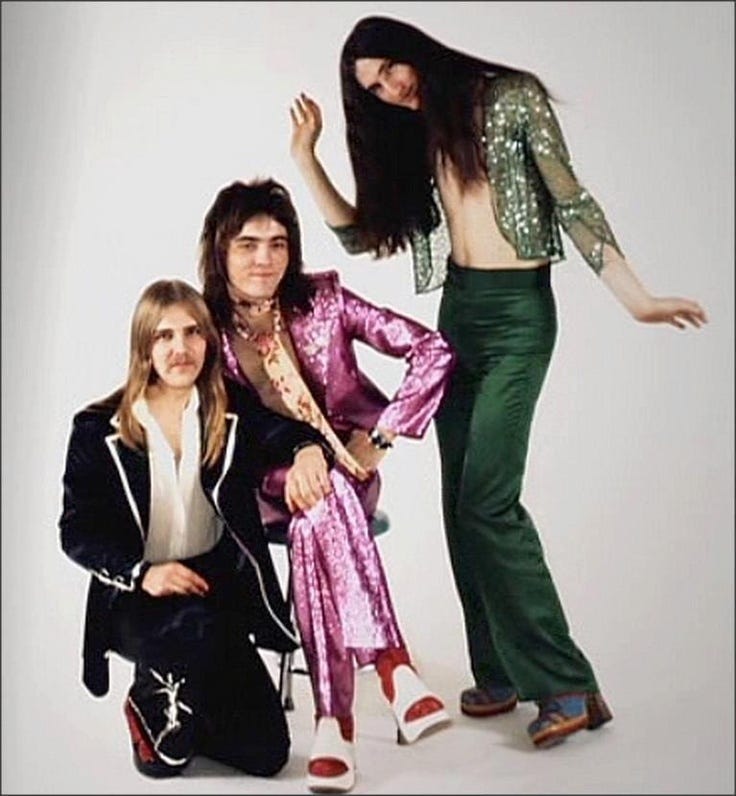
I love Rush!